Smart Textiles
Smart textiles are clever textiles, able to understand stimuli and inputs from the environment, thanks to functionalities embedded within them.
Using chemistry, informatics, engineering and nanotechnology the finished products combines biology and technology.
Fields
Collaborations with European Universities and Research Centers: For years, we have been working closely with prestigious universities and research centers in Europe to develop "smart textiles" in various fields, including:
Medicine: In the medical field smart textiles can be developed to have numerous features, which include:
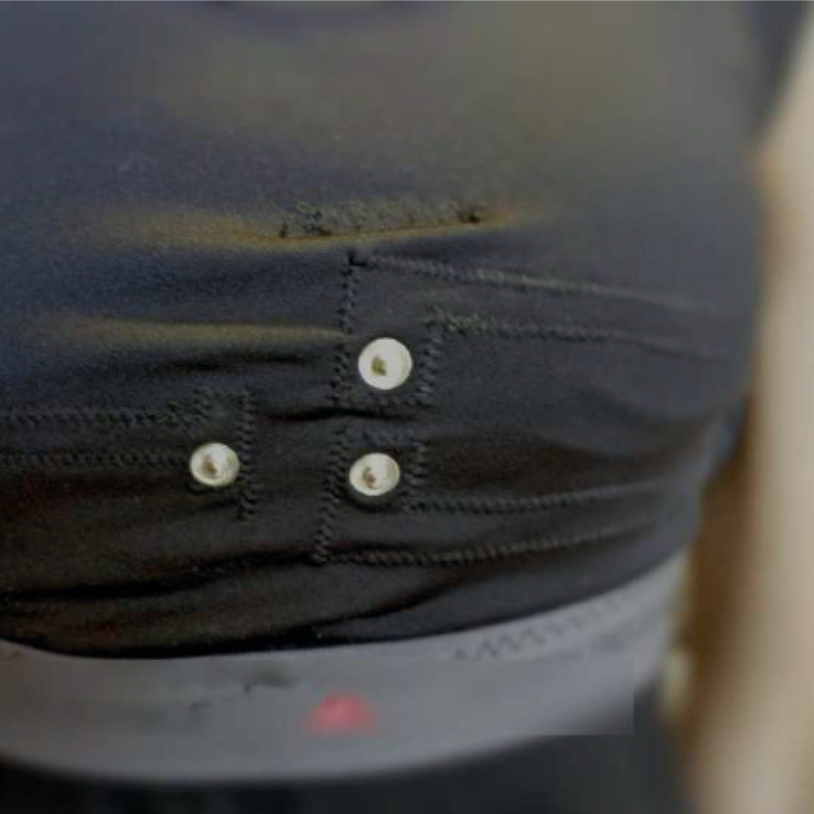
- monitoring of life parameters
- thermo-regulation
- release of substances
- color change in response to contact
- data collection and elaboration
Aerospace: In our 20 years in the aerospace field, in partnership with Thales Alenia Space and ASI, we worked on these textiles:
- helium resistant, to contain it
- light and durable tosubstitute metal
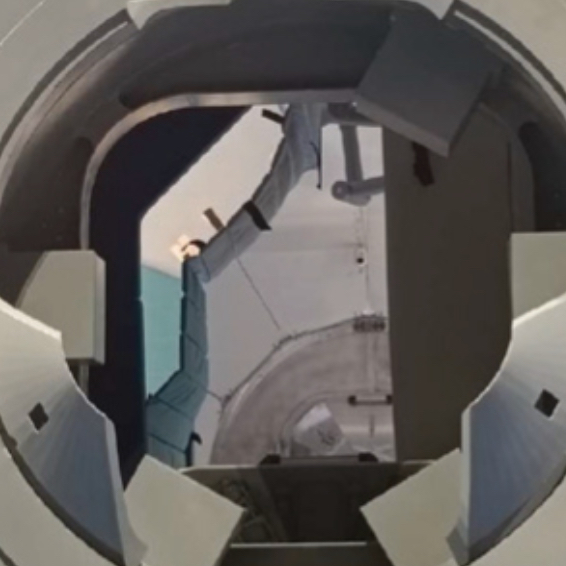
- to monitor parameters in microgravity
- to control the ISS domotics
- nutrients for hydroponic cultivation
Sports: In sportswear these textiles can find many uses, such as some of the functionalities we developed through the years:
- monitoring of life parameters
- integration of AI as sensors
- acoustic signals emission
Workplace safety: Given the importance of a continuous improvement of workplace safety, we are committed to working on innovative projects, like the ones we did in the past:
- textiles that are resistent to extremely high temperatures (up to 1370°C)
- "wearable" antennae to improve signal and reduce radiation
Saint Textile
Saving lives with smart textiles
Saint Textile is a project aimed at saving human lives, by developing smart textiles to improve visibility in poor light and at sea.
At Expo 2025 Osaka, at the Italy Pavillion, we recently presented a special patch that can be applied to life vests; the patch allows the vest to always stay above water and be visible by infrared thermal cameras and night vision goggles.
This is something that can help the search for those reported missing at sea, especially at night, in particular when the water is cold and it is necessary to find the missing as soon as possible.